
At a glance
- 1Remove all metal and accessories before the scan, especially before MRI.
- 2Follow the fasting or drinking instructions for your specific scan.
- 3Report pregnancy, possible pregnancy or breastfeeding before any scan.
- 4Tell the team about allergies, kidney disease, diabetes and metal devices in your body.
- 5Keeping still and following breath-hold instructions prevents repeat scans.
An imaging scan can seem simple: you walk in, lie still for a few minutes and leave. But small details beforehand can decide whether the images are clear and accurate, or whether you will need to come back for a repeat scan. A ring left on your finger, a cup of tea before a scan that needs fasting, or a past allergy you did not mention can all affect the quality of the scan and your safety. This article covers five common mistakes patients make before imaging, and how to prepare properly.
Mistake 1: Not removing metal and accessories
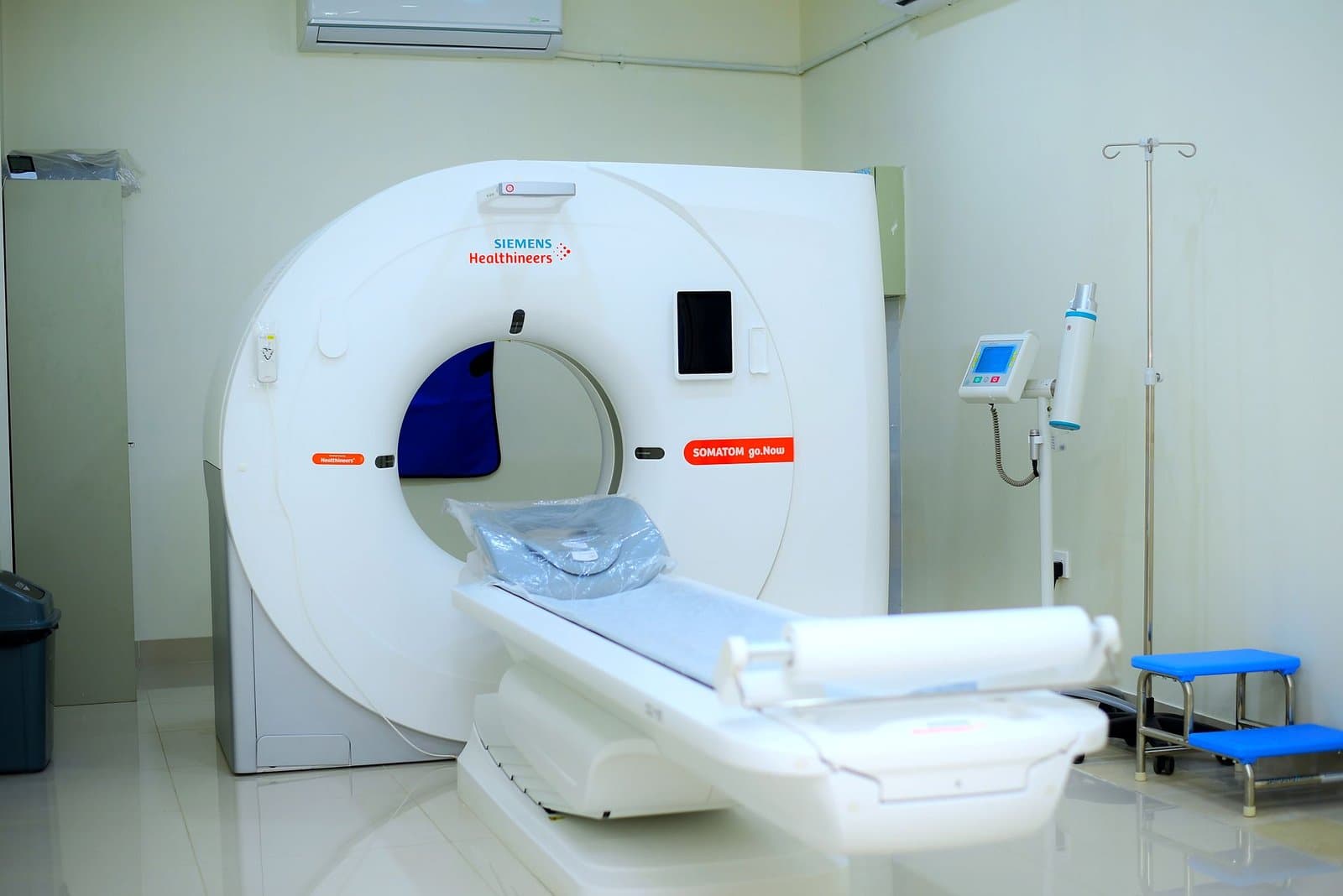
On X-rays and CT, metal shows up as bright white shadows that can hide or distort part of the image. With MRI it is also a safety issue: the strong magnetic field pulls on metal objects and can heat some of them, and it can damage bank cards and watches.
So make sure you remove:
- Rings, bracelets, necklaces, earrings, hairpins and hair clips.
- Watches, phones, keys, coins and cards.
- Glasses, removable dentures and hearing aids when asked.
- Clothes with zips or metal buttons; you will usually be given a gown.
- Some skin medicine patches before MRI, as some contain a metallic layer; ask the team before removing one.
It is best to come in comfortable clothes without metal and leave jewellery at home.
Tap any tab to explore
Preparation by type of scan
Preparation differs from scan to scan. These are general guidelines; the instructions the radiology team gives you come first.
X-ray
4 items- Fastingusually not needed
- Metalremove jewellery and metal from the area being imaged
- Pregnancytell the team before the scan
- Durationa few minutes
One of the simplest and quickest scans, but metal and movement affect image clarity.
Mistake 2: Eating or drinking without following instructions
Some scans need no preparation, while others require fasting for a number of hours, such as some abdominal ultrasounds, MRI of the bile ducts and some contrast scans. Food can fill the stomach and bowel with gas, or make the gallbladder contract so it cannot be seen clearly. On the other hand, some scans ask you to drink water and fill your bladder beforehand, as with some pelvic ultrasounds.
So ask when booking about the instructions for your specific scan and follow them carefully. If you have diabetes or take regular medicines, ask how to manage fasting and your medicines on the day, and never stop a medicine on your own.
Mistake 3: Not mentioning pregnancy or possible pregnancy
X-rays and CT use ionising radiation, and an unborn baby is more sensitive to it, especially in the early months. Imaging the abdomen and pelvis with radiation is therefore avoided in pregnancy unless necessary, and the team takes special precautions when it is needed. Some contrast agents are also avoided in pregnancy unless there is a clear reason.
If you are pregnant, might be pregnant or your period is late, tell your doctor and the radiology team before the scan, even if you are not sure. Tell them too if you are breastfeeding. This helps the team choose the most suitable scan, such as ultrasound or MRI, or take precautions to protect the baby.
Mistake 4: Leaving out important health information
Some patients think their medical history has nothing to do with a scan, but certain information can change the type of scan, how it is done or how safe it is. Always tell the team about:
- Allergies: especially any previous reaction to contrast dye, asthma, or severe allergies to medicines or foods.
- Kidney disease: contrast is cleared by the kidneys, and a kidney function test may be needed first.
- Diabetes and its medicines: your doctor may need to adjust some diabetes medicines around contrast scans in people with kidney problems.
- Devices and metal inside the body: a pacemaker, cochlear implant, bone plates and screws, vessel clips or metal fragments from old injuries. This is especially important before MRI.
- Previous scans: bring earlier reports and images. Comparing them with the new scan helps the doctor see changes and can avoid unnecessary repeat radiation.
Mistake 5: Moving during the scan
A medical image is like a photograph: any movement while it is taken makes it blurred. In MRI especially, movement can spoil a whole series of images that then has to be repeated, making the scan longer. So:
- Listen carefully to the radiographer, especially requests to hold your breath for a few seconds during chest and abdominal imaging.
- Get into a comfortable position before starting, and ask for a pillow or support if you need one.
- If you feel anxious, in pain or afraid of enclosed spaces, tell the team beforehand rather than moving during the scan.
- For young children, ask about suitable preparation; some may need sedation under medical supervision.
A quick checklist before you leave home
- Your doctor's request, ID card, and previous reports and images.
- A list of your medicines and any allergies.
- A kidney function test if you were asked for one.
- Comfortable clothes without metal, and no jewellery.
- Arrive early enough to complete the paperwork.
Following these steps helps your scan go safely, quickly and with more accurate results. For any questions about preparing for your scan, contact the radiology department at Gaza Model Hospital: 01-400401 or 783144445.
When to see a doctor
Don't wait if you notice any of these signs
- Shortness of breath or swelling of the face or throat after contrast dye — tell the team at once or go to the emergency department
- Itching or a rash after a contrast scan
- A clear drop in urine output or swollen legs within days of a contrast scan
- Pain, swelling or redness at the injection site that worsens rather than improves
- A possible pregnancy and a radiation scan done before you knew — discuss it with your doctor
Your action steps
Tick what you've done — saved on this device
Frequently asked questions
Do I need to fast before every scan?
Can I take my usual medicines on the day?
I have metal fragments from an old injury. Can I have an MRI?
Can I breastfeed after a contrast scan?
Why do they ask for my previous reports and images?
 Trusted medical content
- Written by:
- Medical team — Gaza Model Hospital
- Published:
- 9 November 2026
This article is general health education and does not replace a consultation, diagnosis or treatment suited to your condition. In an emergency, call the hospital's emergency department right away.
Need a consultation?
Book online and the clinic team will contact you to confirm.