

At a glance
- 1Diabetes, high blood pressure and kidney disease can develop for years without symptoms.
- 2Diabetes and high blood pressure are the two most common causes of kidney failure.
- 3Simple blood and urine tests and a blood pressure check find them early.
- 4Finding prediabetes or mildly raised blood pressure is a chance to change course through lifestyle.
- 5Your testing schedule depends on age and risk, and results should be interpreted by a doctor.
How many times have you told yourself, "I'll get checked tomorrow", only for a week, a month or even a year to pass? The trouble is that some diseases do not wait. Diabetes, high blood pressure and kidney disease are among the most common health problems, and they usually develop in complete silence: nothing is felt until complications begin in the heart, kidneys, eyes or nerves. The good news is that finding them early is easy. It only takes a decision.
Why are they called silent diseases?
Because the body adapts to slow changes. Blood pressure or blood sugar can stay high for years without pain, quietly straining the walls of the blood vessels. The kidneys can lose a large part of their function before any clear symptom appears.
By the time symptoms show, such as constant tiredness, intense thirst or swollen feet, the disease may already be advanced. That is why we should not wait for pain to remind us of our health.
How are these three conditions connected?
They are like links in one chain:
- Diabetes and high blood pressure are the two most common causes of chronic kidney disease and kidney failure worldwide.
- Kidney disease, in turn, raises blood pressure and increases the risk of heart disease.
- Together, all three multiply the risk of heart attack and stroke.
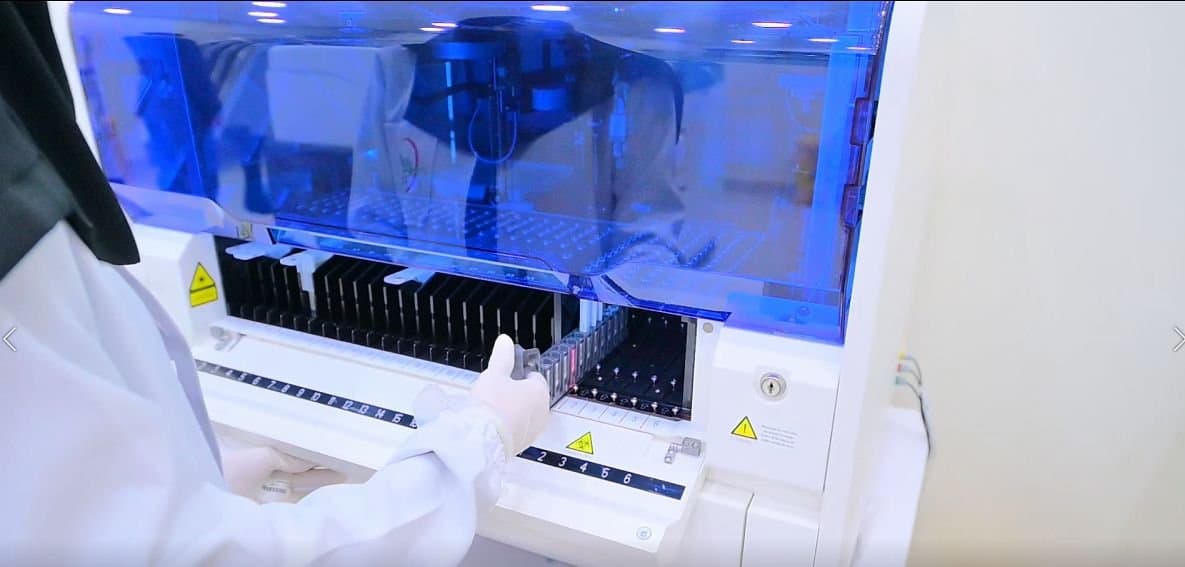
So checking for one is usually a good moment to check for the others. Sometimes ten minutes in the laboratory are enough to spot kidney damage at an early stage, when its progress can be slowed and dialysis may be avoided, rather than finding it years later when the options are fewer.
Who is at higher risk?
Anyone can develop these conditions, but the risk rises with:
- Age, especially after 40.
- Excess weight, particularly around the waist.
- A parent, brother or sister with diabetes, high blood pressure or kidney disease.
- Little physical activity and a diet high in salt, sugar and processed food.
- Smoking, including shisha, and long qat sessions with too little sleep.
- Diabetes or high blood pressure during a previous pregnancy.
Which simple tests find them?
Most of these tests are quick, and some need only a small blood or urine sample:
- Blood pressure measurement: one minute, ideally repeated on more than one visit before a diagnosis is made.
- Fasting blood sugar or HbA1c: detect diabetes and prediabetes.
- Kidney function (creatinine and eGFR): measure how well the kidneys filter the blood.
- Urine test for protein (albumin): one of the earliest signs of kidney damage, especially in people with diabetes or high blood pressure.
- Blood fats (cholesterol): to estimate heart disease risk.
- Weight and waist size: simple but important measures.
Tap any tab to explore
Which checks suit your age?
Choose your age group to see the checks usually recommended. These are general guidelines; your doctor may suggest a different schedule for you.
18 to 39
5 items- Blood pressureevery 1 to 2 years, more often if slightly high
- Weight and waist sizeat every medical visit
- Blood sugar or HbA1cearlier if overweight with another risk factor
- Blood fatsat least once, earlier with a family history of heart disease
- Kidney function and urine testwith high blood pressure, diabetes or a family history of kidney disease
Women who had diabetes in pregnancy need regular sugar checks after delivery.
A normal result today does not mean you will never need another test, and an abnormal result does not mean an immediate diagnosis. Results should always be interpreted with a doctor, and some tests need repeating.
What if a result is abnormal?
There is no need to panic. Finding prediabetes or slightly raised blood pressure is actually a valuable opportunity: in many cases lifestyle changes can bring the numbers back to normal or delay the disease for years. If a diagnosis is confirmed, early treatment and regular follow-up protect the heart and kidneys and greatly reduce complications.
Habits that protect your heart and kidneys
- Cut down on salt, including the hidden salt in canned and fast food.
- Limit sugary drinks and sweets, and fill half your plate with vegetables.
- Move for half an hour on most days of the week, even just walking.
- Stop smoking in all its forms, and get enough sleep.
- Avoid taking painkillers often or without advice, as some strain the kidneys.
- Drink enough water unless your doctor advises otherwise.
Is constant tiredness just exhaustion?
Many people assume ongoing fatigue is simply the result of daily pressures, and sometimes it is. But it can also be the body's way of signalling a cause that needs diagnosing, such as high blood sugar, anaemia, reduced kidney function or a thyroid problem. Testing is the only way to tell passing tiredness from tiredness with a cause, and then to plan treatment that restores your energy.
A check-up is not a luxury
A regular check-up is a simple decision that protects your future and your family's. Gaza Model Hospital offers a comprehensive check-up that combines the key laboratory tests with a doctor's assessment, so you leave with a clearer picture of your health and can start prevention or treatment at the right time.
When to see a doctor
Don't wait if you notice any of these signs
- Intense thirst, frequent urination and unexplained weight loss
- Ongoing tiredness that does not improve with rest
- Swollen feet or puffiness around the eyes, or foamy or discoloured urine
- Frequent headaches or blurred vision
- Foot wounds that are slow to heal
- Chest pain, sudden weakness on one side or difficulty speaking — go to the emergency department right away
Your action steps
Tick what you've done — saved on this device
Frequently asked questions
I feel healthy, so why should I get tested?
Do I need to fast before the tests?
My blood pressure was high once. Do I have hypertension?
Can prediabetes be reversed?
Can weakened kidneys recover?
 Trusted medical content
- Written by:
- Medical team — Gaza Model Hospital
- Published:
- 9 November 2026
This article is general health education and does not replace a consultation, diagnosis or treatment suited to your condition. In an emergency, call the hospital's emergency department right away.
Need a consultation?
Book online and the clinic team will contact you to confirm.